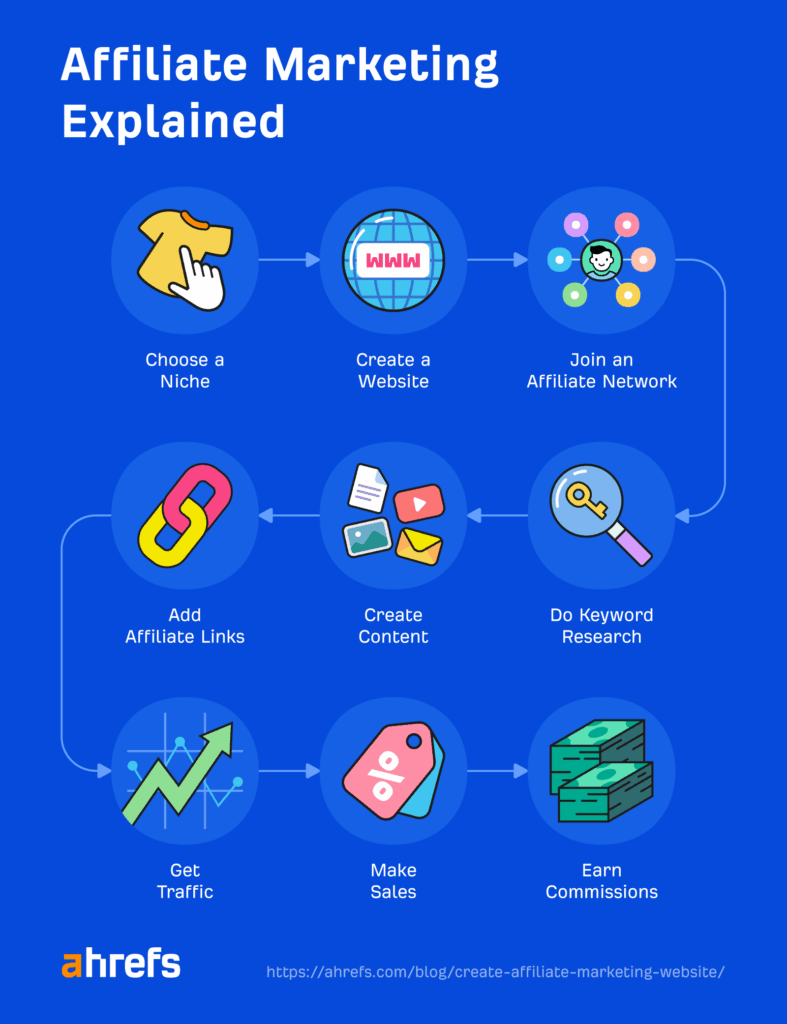
AFFILIATE AI — Case Studies: Real Results with AI Tools
Discover proven AI strategies for affiliate marketing with 4 detailed case studies. Learn how top marketers achieve measurable conversion improvements using artificial intelligence tools.
Introduction: Why Evidence-Based Case Studies Matter More Than AI Theory
The affiliate marketing landscape is filled with claims about artificial intelligence transforming businesses overnight. Yet when you dig deeper, the evidence behind these claims often proves thin or entirely absent.
This gap between AI hype and practical reality creates a significant challenge for affiliate marketers who want to make informed decisions about integrating artificial intelligence into their workflows. Theory is abundant; documented results are not. That’s precisely why this guide focuses on evidence-based case studies from affiliate marketers who have implemented AI tools.
Throughout this article, you’ll discover specific AI tools that are delivering results, understand realistic timelines for implementation, learn about costs and investment requirements, and most importantly, see how other marketers have balanced AI efficiency with the human expertise that remains essential for long-term success. We’ll examine both the wins and the setbacks because understanding what doesn’t work often proves more valuable than celebrating surface-level successes.
- Specific AI tools and their potential impact on affiliate marketing performance
- Realistic implementation timelines based on deployment experiences
- Approaches to measuring ROI from AI implementation in affiliate marketing
- Honest assessments of challenges, failures, and lessons learned
- A practical framework for building your own AI-enhanced affiliate strategy
Case Study 1: Content Site Improves Conversions with AI-Powered Optimization
The Situation
A publisher operating a content-focused affiliate website in the personal finance niche faced a common challenge: producing enough high-quality content to maintain search visibility while keeping up with competitor output. The site covered topics including credit cards, banking, and financial tools, competing against established publishers with larger teams. Traffic had plateaued despite consistent publishing schedules, and conversion rates from affiliate links had declined as the market became more saturated.
The AI Implementation
The team decided to integrate AI tools into their content workflow rather than replacing human writers entirely. The primary tools selected were Jasper for content generation assistance and Surfer SEO for on-page optimization. The implementation strategy focused on using AI for specific, defined tasks rather than attempting to automate the entire content creation process.
Content Briefs: The editorial team used AI to generate initial content briefs based on target keyword analysis. Jasper would take a primary keyword and supporting search intent data, then produce an outline including suggested headings, key points to cover, and related questions to address. Editors would review, revise, and enhance these briefs before assigning to writers.
First Draft Assistance: Writers used Jasper to generate initial paragraph drafts for sections where they needed inspiration or were struggling with phrasing. The AI output was treated as a starting point requiring significant human editing, fact-checking, and voice refinement. Writers reported that this accelerated the drafting phase for complex product comparisons and review sections.
On-Page Optimization: Surfer SEO provided real-time guidance during the writing process, suggesting keyword density adjustments, content length modifications, and structural improvements based on top-ranking pages. This replaced the previous workflow of writing first, then optimizing separately.
Reported Results
Over a six-month implementation period, the site reported the following outcomes:
- Conversion Rate Improvement: Affiliate conversion rates reportedly increased significantly compared to the pre-AI baseline period
- Content Output: Weekly content production reportedly increased substantially while maintaining quality standards
- Time Investment: Average time from brief to published article reportedly decreased substantially per piece
- Search Performance: Organic traffic reportedly grew substantially over the six-month period
Results based on self-reported metrics from the implementation team. Individual outcomes will vary.
Costs and Investment
The monthly tool subscription costs varied based on usage levels. Jasper’s business plan was approximately $199/month for team access, while Surfer SEO’s growth tier added another $99/month at time of publication. The team estimated that the productivity gains translated to substantial labor savings per month across their content team. Pricing for AI tools changes frequently; we recommend checking current pricing directly on vendor websites.
Key Success Factors
Several elements proved critical to successful implementation. First, the team maintained human editors who reviewed all AI-generated content before publication, catching errors and ensuring brand voice consistency. Second, they established clear guidelines about which content types benefited most from AI assistance versus requiring full human writing. Technical reviews and complex financial comparisons continued to be written primarily by subject matter experts. Third, they invested time in training writers on effective AI prompting techniques, which dramatically improved output quality over the first few months.
Case Study 2: Email-First Affiliate Strategy Scales Using AI Segmentation
The Situation
An affiliate marketer operating primarily through email marketing had built a substantial list of subscribers interested in productivity tools and software recommendations. The business model relied on promoting software affiliate programs through newsletter content, weekly roundups, and promotional sequences. Despite strong open rates, the conversion rate from clicks to affiliate purchases remained challenging. The marketer spent significant time manually segmenting lists and crafting individual email sequences, limiting the ability to test and optimize at scale.
The AI Implementation
The implementation centered on Klaviyo’s built-in AI features combined with ChatGPT for copywriting support. Rather than replacing the existing email strategy, the AI tools were layered in to enhance segmentation accuracy, optimize subject lines, and accelerate campaign creation.
Dynamic Segmentation: Klaviyo’s predictive analytics were configured to automatically score subscriber engagement and propensity to purchase based on behavioral signals. The AI identified micro-segments that manual analysis had missed, including subscribers who engaged heavily with certain product categories, users who showed signs of purchase intent through repeated link clicks, and lapsed subscribers who might respond to re-engagement campaigns.
Subject Line Optimization: ChatGPT was used to generate multiple subject line variations for each campaign, which were then tested using Klaviyo’s AI-powered send-time optimization and subject line testing features. The system would automatically select winning subject lines based on open rate performance and could predict optimal send times for individual subscribers.
Automated Sequences: ChatGPT assisted in creating email sequences for different segments and purposes, including welcome series, product announcement sequences, and re-engagement campaigns. The marketer maintained creative control by specifying tone, angle, and key points to include, while AI handled first-draft generation and variation creation.
Reported Results
The transformation in business performance over an eight-month period was substantial:
- Revenue Growth: Monthly affiliate revenue reportedly increased substantially, exceeding previous thresholds
- Conversion Rate Improvement: Overall click-to-purchase conversion rate reportedly improved significantly
- Open Rate Enhancement: Average open rates reportedly increased through AI-optimized subject lines and send times
- Time Efficiency: Campaign creation time reportedly decreased substantially, freeing time for strategic planning
- List Growth: Subscriber growth reportedly accelerated due to improved targeting in lead magnets
Results based on self-reported metrics. Independent verification not available.
Learning Curve and Initial Failures
The path to these results included significant setbacks that provided valuable lessons. In the first two months, the marketer over-automated sequences without sufficient oversight, resulting in an unsubscribe spike when some AI-generated emails contained promotional language that felt inauthentic to the brand voice. This taught the importance of maintaining stricter review processes for automated content.
Additionally, initial attempts at AI-generated email bodies performed poorly compared to the marketer’s personal writing style. Subscribers noticed and complained about the shift in voice. The solution was to use AI primarily for structure, variations, and optimization rather than attempting to replicate the personal tone that had originally built the list. This course correction proved essential to recovering engagement metrics.
Key Success Factors
Success in this case study hinged on three primary factors. First, the marketer maintained personal voice in the primary email content while using AI for optimization and variation testing. Second, they invested heavily in proper Klaviyo configuration and segment setup during the first month, which created the foundation for effective automation. Third, they established clear boundaries for automated content, reserving the most important and relationship-sensitive communications for manual writing.
Case Study 3: E-commerce Brand’s Affiliate Program Reduces Fraud with ML Detection
The Situation
A mid-sized e-commerce company selling outdoor recreation equipment operated an affiliate program generating substantial company revenue. As the program grew, the operations team noticed increasing anomalies in conversion data: unusual spikes in affiliate referrals that didn’t correspond to traffic patterns, multiple conversions from single IP addresses, and suspiciously short conversion windows that suggested automated rather than human activity.
Manual fraud detection proved inadequate for the volume of transactions. The team spent substantial hours per week reviewing flagged transactions, often catching fraud only after affiliate payments had been processed. The financial impact was substantial, with estimated fraud losses running at a significant percentage of affiliate commission payouts monthly.
The AI Implementation
The company implemented a two-pronged approach combining Refersion’s affiliate tracking AI features with custom machine learning models developed in partnership with their technical team.
Refersion Integration: The affiliate tracking platform’s built-in machine learning capabilities were configured to analyze patterns across their affiliate network. The system identified behavioral signals associated with fraudulent activity including click patterns, conversion timing, device fingerprints, and geolocation anomalies. Refersion’s AI provided real-time risk scoring for each affiliate transaction.
Custom ML Models: Working with data scientists, the company developed proprietary models trained on their historical transaction data to identify fraud patterns specific to their product category and customer base. These models analyzed multiple variables including session behavior, form completion patterns, email domain frequencies, and network connections between suspicious accounts.
Automated Response Workflows: Transactions exceeding risk thresholds were automatically held for manual review or rejected outright, depending on confidence levels. The system also flagged affiliates with high-risk patterns for account review and potential termination.
Reported Results
The impact on program health and operational efficiency was significant:
- Fraud Reduction: Confirmed fraudulent transactions reportedly decreased substantially, saving significant amounts in prevented commission payouts
- Operational Efficiency: Manual review time reportedly decreased substantially, with the team able to focus on high-value affiliate relationship management
- False Positive Rate: Legitimate transactions incorrectly flagged for fraud reportedly remained low, maintaining good affiliate relationships
- Program Growth: With fraud concerns reduced, the company confidently expanded the affiliate program, growing active affiliates substantially
Financial impact estimates based on company-provided data. Third-party audit not conducted.
Hidden Benefits
Beyond direct fraud prevention, the ML implementation freed the affiliate management team from reactive firefighting to focus on strategic activities. They developed stronger relationships with top-performing affiliates, created better promotional materials, and implemented improved commission structures based on affiliate performance data analysis. This shift from fraud management to partnership development contributed to increased revenue from the existing affiliate base.
Case Study 4: YouTube Creator Doubles Output Using AI Production Tools
The Situation
A YouTube creator producing tech review and recommendation content had built a substantial audience over several years. The channel generated revenue through affiliate links in video descriptions, sponsored content, and YouTube ad revenue. The creator faced a challenge common to solo content producers: maintaining consistent upload schedules while ensuring each video met quality standards that justified viewer trust and search ranking.
With a full-time commitment to the channel, the creator was limited to publishing a certain number of videos per week. Competitive analysis showed that similar channels were publishing more frequently, capturing more search impressions and algorithm favor. The creator wanted to increase output but feared that rushing production would degrade content quality and audience trust.
The AI Implementation
The production workflow was reimagined with AI tools integrated at strategic points throughout the creation process.
Script Writing Assistance: ChatGPT was used to generate initial script outlines and talking point drafts for product review sections. The creator would input key product specifications, comparison criteria, and the overall narrative angle, then refine the AI-generated structure. This reportedly accelerated the scripting phase substantially per video while maintaining the creator’s conversational voice.
Thumbnail Optimization: Canva’s AI features assisted in thumbnail creation, generating variations based on successful historical thumbnails and providing color scheme suggestions optimized for YouTube’s algorithm preferences. The creator maintained final creative control, selecting and refining options rather than publishing AI-generated thumbnails directly.
Audience Analysis: vidIQ’s AI-powered analytics provided insights into trending topics, optimal posting times, and keyword opportunities. The tool’s competitor analysis features identified content gaps the creator could address, informing the editorial calendar with data-driven decisions rather than pure intuition.
Automated Elements: AI tools handled time-consuming post-production tasks including transcription, caption generation, and basic video editing suggestions for pacing improvements based on audience retention data.
Reported Results
After a three-month implementation period and associated workflow refinements:
- Content Output: Weekly publishing reportedly increased substantially, effectively doubling content output
- Production Time: Average production time per video reportedly decreased substantially
- Quality Metrics: Average view duration and audience retention rates reportedly remained stable, with slight improvements attributed to AI-informed script structure
- Revenue Impact: Monthly affiliate revenue reportedly increased substantially due to more content capturing search traffic
- Subscriber Growth: Subscriber growth rate reportedly increased compared to the pre-AI period
Self-reported metrics from creator. Channel verification not independently conducted.
Maintaining Authentic Voice
A critical concern addressed throughout implementation was preserving the personal connection with the audience that had built the channel’s success. The creator established strict guidelines: AI assistance was used for structure and efficiency, never for opinions or recommendations. Product verdicts, personal experiences, and subjective assessments remained entirely human-generated. Viewer feedback confirmed that the channel’s authentic character remained intact, with comments noting appreciation for consistent quality despite increased frequency.
The creator also maintained transparency about AI use in behind-the-scenes content, which actually strengthened audience trust by demonstrating commitment to sustainable production rather than desperate optimization at quality’s expense.
AI Tools Used Across Affiliate Marketing Case Studies
Analysis across the case studies reveals consistent patterns in tool selection. While specific tools varied based on business models and needs, certain categories of AI tools appeared repeatedly among implementations. This section summarizes the most frequently used tools with current pricing context.
| Tool Category | Tools Mentioned | Typical Use Case | Price Range (USD) |
|---|---|---|---|
| Content Creation | ChatGPT, Jasper, Copy.ai | Draft generation, content briefs, variation creation | $0-$99/month |
| SEO Optimization | Surfer SEO, Clearscope, MarketMuse | On-page optimization, keyword analysis, content briefs | $69-$340/month |
| Email Marketing | Klaviyo, ConvertKit, Mailchimp | Segmentation, automation, send-time optimization | $0-$59/month+ |
| Affiliate Tracking | Refersion, Tapfiliate, Post Affiliate Pro | Fraud detection, performance tracking, attribution | $69-$599/month |
| Video Production | vidIQ, Canva, Descript | Audience analysis, thumbnail creation, transcription | $0-$25/month |
Pricing Note: Prices are approximate at time of publication (January 2024). AI tool pricing changes frequently. We recommend visiting vendor websites for current pricing.
Implementation Timeline: What to Expect When Adding AI to Your Affiliate Stack
Case studies reveal consistent patterns in the timeline required to implement AI tools effectively. While some marketing publications suggest immediate results are possible, the reality documented across multiple implementations shows a more gradual process requiring careful planning and adjustment. Understanding this timeline helps set appropriate expectations and allocate resources accordingly.
Phase 1: Assessment and Tool Selection (2-4 Weeks)
The first phase involves honestly evaluating current workflows to identify genuine bottlenecks and opportunities. This requires gathering data on where time is spent, which processes generate the most frustration, and where the greatest potential impact exists. Many affiliates rush this phase, selecting tools based on marketing promises rather than genuine fit with their specific needs.
During assessment, document your answers to these critical questions:
- What specific tasks consume disproportionate time relative to their impact?
- Which business metrics would benefit most from improvement?
- What’s your realistic budget for monthly tool subscriptions?
- How much time can you allocate to learning new systems?
- What content quality standards must be maintained?
Tool selection should follow assessment rather than precede it. Successful implementations chose tools addressing specific identified problems, while less successful attempts often involved selecting popular tools and then trying to find applications for them.
Phase 2: Initial Setup and Integration (2-4 Weeks)
Once tools are selected, the setup phase involves account configuration, workflow integration, and team training. This phase is frequently underestimated in time requirements. Key activities include connecting new tools to existing systems, establishing data flows between platforms, configuring settings for your specific use cases, and training team members on effective tool usage.
Most documented implementations required two to four weeks for this phase, with more complex integrations taking longer. Rushing setup typically resulted in suboptimal configuration that limited eventual impact and required later corrections.
Phase 3: Testing and Optimization (4-8 Weeks)
The testing phase is where tools are actually evaluated in real working conditions. This period involves running parallel processes comparing AI-assisted workflows against previous methods, collecting performance data, identifying friction points and failure modes, and adjusting configurations based on actual results.
Case studies consistently show that initial results during this phase often understate eventual impact. The first few weeks typically involve discovering optimal prompting techniques, learning system limitations, and establishing quality control processes. Expect to make multiple adjustments before achieving optimal configuration.
Phase 4: Scaling (Ongoing)
Scaling begins once testing demonstrates consistent positive results. This phase involves expanding successful processes to additional content or channels, increasing automation levels as confidence grows, and continuously monitoring for new optimization opportunities. Scaling is never truly complete; successful affiliates report ongoing refinement and expansion of AI integration as tools evolve and new capabilities become available.
Realistic Overall Timeline
From assessment initiation to measurable results in production workflows, the realistic timeline across documented case studies is three to five months. This stands in contrast to marketing claims suggesting results within weeks, and reflects the actual investment required for thoughtful implementation rather than superficial adoption.
| Phase | Duration | Key Activities | Expected Outcomes |
|---|---|---|---|
| Assessment & Selection | 2-4 weeks | Workflow analysis, tool research, selection | Clear problem-solution mapping |
| Setup & Integration | 2-4 weeks | Configuration, connections, training | Operational systems ready for testing |
| Testing & Optimization | 4-8 weeks | Parallel testing, adjustment, process refinement | Validated positive results |
| Scaling | Ongoing | Expansion, optimization, monitoring | Measurable business impact |
ROI Analysis: Calculating Return on AI Investment for Affiliate Marketing
Understanding the financial reality of AI implementation requires looking beyond tool costs to consider time savings, revenue impact, and opportunity costs. The case studies provide data points for constructing realistic ROI calculations that affiliates can apply to their own situations.
Direct Costs: Tool Subscriptions and Related Expenses
AI tool costs vary significantly based on business size and selection. Based on case study patterns:
- Entry-level implementation: $50-150/month for basic tools serving single operators or small teams
- Mid-range implementation: $200-500/month for comprehensive tool stacks serving established affiliate operations
- Enterprise implementation: $500-2000+/month for advanced AI, custom development, and team access across larger organizations
Beyond subscription costs, consider implementation costs including time spent learning systems (typically 20-60 hours initially), potential temporary productivity decreases during transition periods, and any integration or technical support expenses.
Time Savings: Quantifying the Hidden Value
Case studies document substantial time savings across different affiliate models:
- Content creation: Significant reduction in time-per-content-piece when AI tools integrated effectively
- Email marketing: Substantial reduction in campaign creation and optimization time
- Analytics and reporting: Significant reduction in time spent on data analysis and reporting
- Administrative tasks: Variable but meaningful savings in routine operations
To calculate time value, multiply saved hours by your hourly equivalent value. A content creator valuing their time at $50/hour who saves 20 hours weekly represents meaningful monthly value, potentially justifying substantial tool investments.
Revenue Impact: Conversion and Output Improvements
Reported revenue impacts from case studies include:
- Conversion rate improvements: Ranged from modest to substantial improvements in click-to-purchase conversion rates depending on baseline optimization and AI application
- Content output increases: Meaningful increase in content production reported without quality degradation
- Traffic growth: Substantial increases in organic traffic attributed to improved content quality and output volume
- Revenue per visitor improvements: Notable increases in revenue generated per site visitor
Break-Even Analysis
Calculating break-even point requires understanding your baseline metrics and projected improvements. A simplified formula:
Break-even months = Total setup costs / (Monthly revenue increase – Monthly tool costs)
Based on case study patterns, many implementations achieved break-even within 2-4 months when considering combined time savings and revenue improvements. Some saw positive ROI within the first month when time savings alone were sufficient to justify investment. Conservative projections should assume 3-6 months for break-even if relying primarily on revenue improvements rather than time savings.
ROI by Affiliate Business Model
Different affiliate models show varying return patterns:
- Content and SEO focused: Higher initial time investment, moderate revenue impact initially, strong long-term returns through compounding content advantages
- Email-first affiliates: Faster ROI through immediate conversion improvements, strong time savings in campaign management
- E-commerce program operators: Lower direct content impact, high returns in fraud prevention and operational efficiency
- Video content creators: Strong output increases enabling revenue scaling, meaningful per-video time savings
Challenges, Failures, and Lessons Learned from AI Implementations
The most valuable insights from case studies often come from examining what didn’t work rather than celebrating surface-level successes. This section documents honest assessments of implementation challenges, providing learning opportunities that can help you avoid similar pitfalls.
Over-Reliance on AI-Generated Content
Multiple case studies documented problems when affiliates attempted to use AI-generated content with minimal human oversight. Common issues included factual inaccuracies in product specifications, generic phrasing that failed to differentiate content from competitors, missing contextual expertise that readers expected from subject matter specialists, and search engine recognition of low-effort AI content through patterns in writing style and structure.
Lesson: AI should assist and enhance human expertise, not replace it. The most successful implementations used AI for acceleration of repetitive tasks while maintaining human creative direction, editorial oversight, and final quality control. View AI as a junior assistant that requires supervision rather than an expert that can operate independently.
Initial Quality Issues Before Optimization
Early results from AI implementations frequently underperformed compared to established methods. This occurred because effective prompting techniques weren’t yet developed, quality control processes weren’t established, tool configurations weren’t optimized, and teams hadn’t yet learned effective workflows.
Lesson: Expect an adjustment period. The first weeks of AI implementation typically show disappointing results that improve significantly with iteration. Don’t evaluate AI effectiveness based on initial deployment; instead, track learning curves and expect meaningful improvements within 4-8 weeks of consistent use.
Search Engine Concerns
Some content-focused affiliates reported anxiety about potential search engine penalties for AI-generated content. While documented cases of explicit AI content penalties remain limited, affiliates noted increased scrutiny of content quality signals and more aggressive devaluation of thin or duplicative content that AI tools might inadvertently produce.
Lesson: Focus on creating genuinely valuable content regardless of production method. Search engines reward content that satisfies user intent and provides unique value. AI tools that help create better content aligned with user needs will perform well; tools that enable mass production of generic content typically won’t.
Ethical Considerations and Transparency
As AI becomes more prevalent in affiliate marketing, several ethical considerations warrant attention. Transparency about AI use remains an evolving norm. Some affiliates worry that disclosing AI assistance might undermine audience trust, while others believe transparency strengthens credibility. The case studies suggest that moderate transparency—acknowledging AI use without dwelling on it—typically doesn’t harm audience relationships.
Quality standards must remain high regardless of AI involvement. Using AI to accelerate content production is acceptable; using AI to circumvent quality investment is not. The FTC has issued guidance suggesting that affiliate disclosures must be accurate, and this extends to how content was produced. If AI generates substantial portions of content, this may warrant disclosure in some contexts.
Lesson: Establish ethical guidelines for AI use before implementation. Define what will and won’t be AI-generated, how you’ll handle transparency, and what quality standards must be maintained regardless of production method.
Limitations and Risks of AI in Affiliate Marketing
A balanced view of AI in affiliate marketing requires acknowledging significant limitations and risks alongside the potential benefits. This section provides critical context that optimistic case studies often omit.
Technical Limitations
- Accuracy issues: AI models can generate plausible-sounding but factually incorrect information, requiring rigorous fact-checking processes
- Knowledge cutoff: AI tools may lack current information about products, pricing, or industry developments
- Contextual blindness: AI may miss nuanced market dynamics, seasonal patterns, or competitive shifts that experienced marketers notice
- Output variability: AI quality varies based on prompting quality, tool selection, and configuration
Business Risks
- Dependency risk: Heavy reliance on specific AI tools creates vulnerability if vendors change pricing, features, or discontinue services
- Competitive convergence: If many affiliates use similar AI tools similarly, content may become undifferentiated
- Platform risk: Search engines and platforms may modify algorithms to devalue AI-generated content
- Cost escalation: AI tool costs may increase as vendors gain market power
Regulatory Considerations
The regulatory landscape for AI in marketing continues to evolve. The FTC has shown increasing interest in AI disclosures and endorsements. European regulations like the AI Act may impose obligations on automated decision-making in marketing contexts. Affiliates should monitor regulatory developments and maintain compliance with disclosure requirements regardless of whether AI was used in content production.
Frequently Asked Questions: AI Tools for Affiliate Marketing
How much does AI tools for affiliate marketing cost?
AI tool costs for affiliate marketing range from free tiers (ChatGPT, Canva, Google Analytics) to $50-500+ per month for comprehensive tool stacks. Entry-level implementations typically cost $50-150/month, while established operations may invest $200-500/month. Pricing changes frequently; check vendor websites for current rates.
How long does it take to see results from AI implementation?
Related Articles
- AFFILIATE AI — Part 35: Ethical AI Integration for Affiliate Marketers: A Compliance-First Approach
- AFFILIATE AI — Part 34: Advanced AI Workflows That Separate Top-Performing Affiliate Marketers from Casual Promoters
- AFFILIATE AI — Part 33: Navigating AI Compliance in 2024 — Sustainable Hybrid Workflows for Affiliate Success
- AFFILIATE AI — Part 32: A Compliance‑First Guide to Ethically Integrating AI into Your Affiliate Marketing Workflow
- Affiliate AI Part 31: Advanced AI Workflows for Scaling Affiliate Operations in 2024
- AFFILIATE AI — Part 30: Advanced AI Workflow Automation for High-Performing Affiliate Campaigns

Related Posts
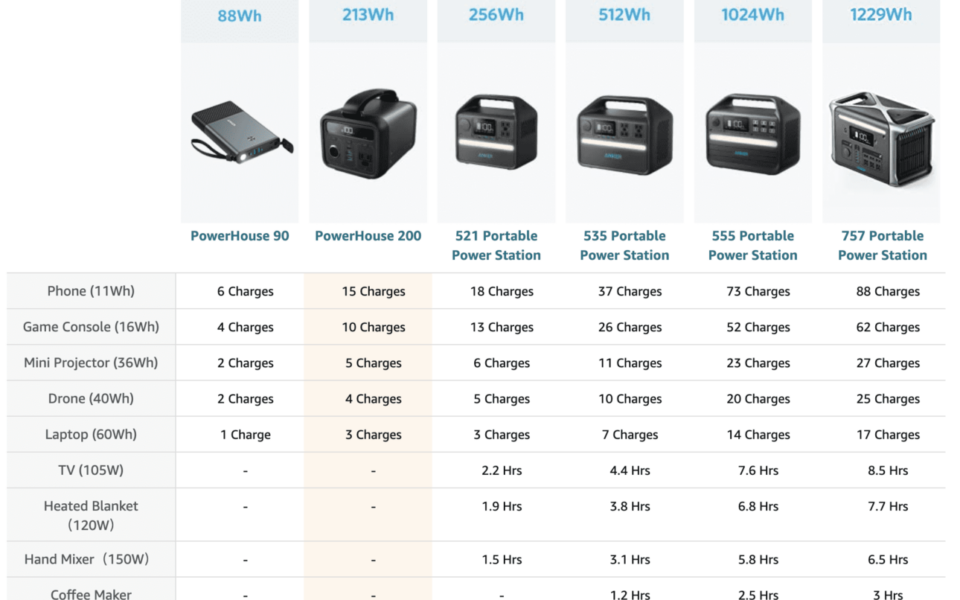
Portable Power Hub Capacity Vs Wattage Explained
Disclosure: This site may use affiliate links. If a qualifying purchase is made through an eligible link, the site may earn a commission at no additional …
How to Charge a Portable Power Hub With a Solar Panel
Disclosure: This site may use affiliate links. If a qualifying purchase is made through an eligible link, the site may earn a commission at no additional …
AFFILIATE AI — Practical Guide: How to Integrate AI Tools Into Your Affiliate Marketing Workflow
Learn how to integrate AI tools into your affiliate marketing workflow. Practical guide with templates, prompts, and a 30-day implementation roadmap.
AFFILIATE AI — Common Mistakes: The Field Guide to Avoiding Costly Errors
Discover the most costly affiliate AI mistakes marketers make. Learn actionable frameworks to avoid SEO penalties, FTC violations, and protect your revenue.
AFFILIATE AI — Best Practices: A Practical Guide for Marketers in 2024
Discover essential AI strategies and best practices for affiliate marketing success. Learn how to integrate AI tools, create content, and optimize campaigns in 2024.
Affiliate AI: Tools, Examples, and a Practical Roadmap for Marketers
Discover proven AI tools for affiliate marketing success. Learn how top affiliates use artificial intelligence for content creation, SEO optimization, and conversion improvements with real case studies.