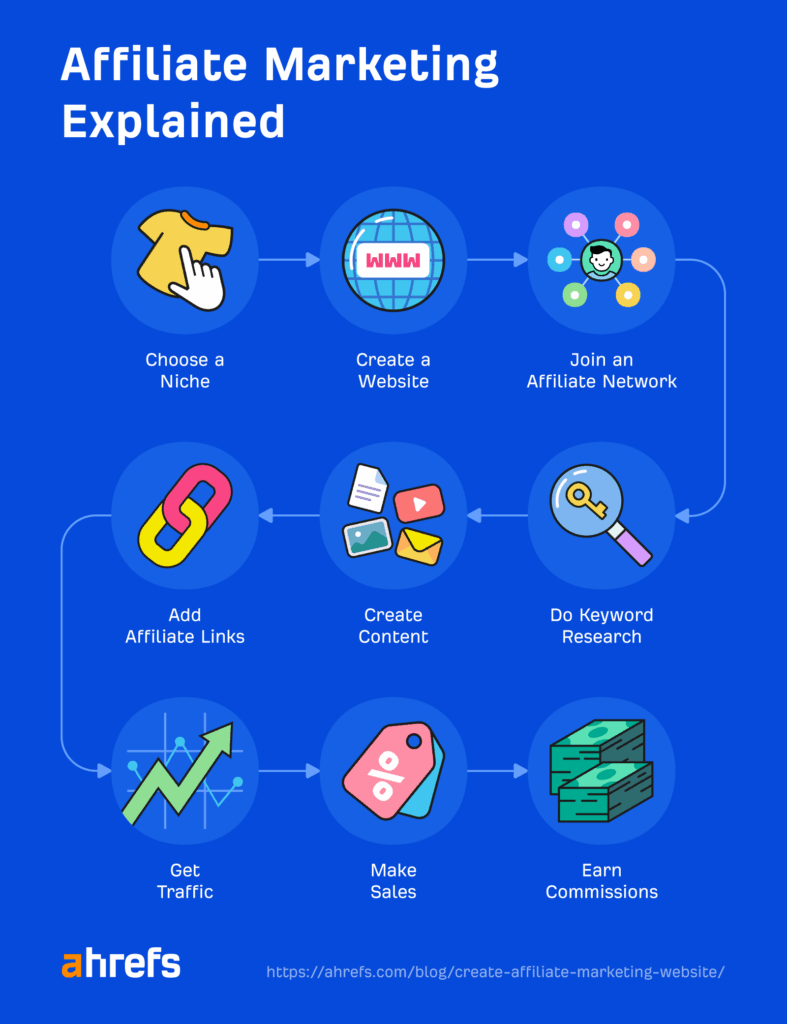
The direct answer: AI tools can transform your affiliate marketing workflow by automating content creation, accelerating keyword research, optimizing email sequences, and providing predictive analytics. To integrate AI effectively, start by mapping specific tools to your workflow gaps, implement human oversight for quality control, maintain proper FTC disclosure, and focus on using AI as a productivity accelerator that enhances rather than replaces your strategic expertise.
Introduction
The affiliate marketing landscape has shifted significantly with the emergence of capable AI tools. While many marketers experiment with artificial intelligence, most struggle to move beyond surface-level exploration into genuine workflow transformation. If you have been watching from the sidelines wondering how to actually integrate AI tools for affiliate marketing without compromising quality, compliance, or authenticity, this guide delivers what generic AI enthusiasm fails to provide: a concrete roadmap from understanding to implementation.
Whether you are a solo affiliate marketer producing content from a home office or managing campaigns across multiple networks, AI tools now offer practical applications that extend far beyond novelty. From generating structured product reviews to predicting conversion trends, these technologies—when implemented thoughtfully—can enhance productivity across your affiliate marketing workflow.
This practical guide covers every major integration point for AI in affiliate marketing. You will find specific tool recommendations, working prompts you can adapt immediately, compliance checklists that satisfy FTC requirements, and a 30-day implementation roadmap that transforms abstract potential into measurable progress. The goal is not to automate your affiliate business into a faceless content factory, but to free your time for strategic decisions while maintaining the human expertise your audience expects.
Expert Insight
“The most successful affiliate marketers I’ve worked with treat AI as a collaborative tool, not a replacement for their expertise. They use AI to handle repetitive tasks while investing their time in strategy, relationship building, and content that genuinely helps their audience make informed decisions.” — Industry observer, Affiliate Marketing Summit 2023
Understanding the AI Landscape for Affiliate Marketing
Before implementing any tool, affiliate marketers need a clear mental model of what AI actually does well and where it requires human intervention. This foundational understanding prevents two common failures: dismissing AI entirely or over-relying on automation without quality controls.
Categorizing AI Tools by Function
AI tools relevant to affiliate marketing fall into four primary categories, each with distinct capabilities and limitations. The most effective implementations combine tools from multiple categories to create a cohesive workflow.
| Category | Popular Tools | Primary Functions | Best For |
|---|---|---|---|
| Content Creation | ChatGPT, Claude, Jasper | Draft generation, rewriting, outlines, product descriptions | Scaling content volume while maintaining consistency |
| SEO and Keyword Research | Surfer SEO, Ahrefs, SEMrush | Keyword discovery, content gap analysis, SERP optimization | Identifying opportunities and optimizing existing content |
| Analytics and Prediction | Native platform analytics, third-party dashboards | Performance tracking, trend analysis, A/B testing optimization | Data-driven decision making and ROI tracking |
| Automation and Scheduling | ConvertKit, Mailchimp, Buffer, Later | Email sequences, social posting, chatbot responses | Scale repetitive tasks and improve response times |
What AI Can Do for Affiliate Marketers
Large language models and specialized AI tools excel at pattern-based tasks. They can generate first drafts based on provided parameters, identify keyword opportunities by analyzing search patterns, personalize email content at scale, and process large datasets to surface performance insights. These capabilities make AI particularly valuable for repetitive, structured tasks that would otherwise consume significant time.
Content creation AI can produce product review frameworks, comparison table structures, and tutorial outlines in minutes rather than hours. SEO-focused AI can analyze competitor content and suggest optimization opportunities. Analytics AI can process performance data across multiple campaigns to identify patterns worth investigating.
What AI Cannot Do Alone
Despite advances, AI lacks genuine product experience, cannot verify current pricing or availability in real-time, and may generate plausible-sounding but factually incorrect information. AI cannot build authentic audience trust, make strategic decisions about which products genuinely deserve recommendation, or navigate the nuanced ethical considerations that arise in affiliate marketing.
The critical distinction is between AI-assisted content (where AI accelerates human workflow with human oversight) and AI-generated content (where AI produces final output without substantive human contribution). Quality affiliate marketing requires the former approach, with humans maintaining editorial control throughout the process.
Setting Up Your AI-Powered Content Creation Workflow
Content creation represents the highest-impact area for AI integration in affiliate marketing. When implemented thoughtfully with proper human oversight, AI assistance can significantly accelerate your content production while maintaining quality standards.
Case Study: Content Workflow Optimization
An affiliate marketer in the consumer electronics niche implemented AI-assisted content creation using ChatGPT for drafting and Surfer SEO for optimization. Their results after 90 days included a notable increase in content output and a reduction in time-per-article for first drafts. The key factors in their success were maintaining strict human review processes and investing time in refining their prompt templates. Individual results vary based on content type, niche, and existing workflow efficiency.
Essential Prompt Engineering Basics
Effective AI content creation starts with precise prompts. Vague requests produce generic output; detailed, structured prompts generate useful first drafts that require minimal revision.
Effective Prompt Structure for Product Reviews
Instead of: “Write a review of wireless headphones.”
Use this structure:
Write a comprehensive product review for [PRODUCT NAME] targeting [AUDIENCE].
Format requirements:
– 1200 words minimum
– Opening hook that addresses [SPECIFIC PAIN POINT]
– Sections for: Build Quality, Sound Performance, Battery Life, Comfort, Value Comparison
– Include specific technical specs: [LIST 3-5 KEY SPECS]
– Mention price point: $[PRICE]
– Closing with recommendation based on [SPECIFIC USE CASE]
Tone: [CONVERSATIONAL/TECHNICAL/FRIENDLY]
Reader level: [BEGINNER/INTERMEDIATE/EXPERT]
Include honest limitations alongside strengths.
Content Templates for Different Formats
Developing reusable templates accelerates workflow consistency. Create templates for each major content type in your affiliate arsenal.
Product Review Template Structure:
- Introduction: Pain point acknowledgment, why this product category matters
- First Impressions: Unboxing experience, initial setup
- Key Features Analysis: Detailed examination of main selling points
- Performance Testing: Hands-on evaluation with specific outcomes
- Pros and Cons: Balanced assessment with honest limitations
- Comparison to Alternatives: How this product stands against competitors
- Verdict and Recommendation: Who should buy and who should look elsewhere
Comparison Article Template
Structure your comparison content around these elements:
- Category introduction explaining what to look for
- Side-by-side feature matrix with objective specifications
- Individual product summaries (2-3 paragraphs each)
- Winner categories based on specific use cases
- Buyer’s guide section with decision criteria
- Final recommendation with clear reasoning
The Human-in-the-Loop Workflow
Every content piece should pass through human oversight before publication. This means generating drafts with AI, but reviewing and refining with your expertise, adding personal insights, verifying claims, and ensuring the content reflects your authentic voice.
AI-assisted content creation does not mean publishing AI output directly. It means using AI to accelerate the drafting phase while you provide the strategic direction, accuracy verification, and brand voice that AI cannot replicate authentically.
AI-Driven Keyword Research and SEO Optimization
Search engine optimization remains foundational to affiliate marketing success, and AI has transformed both the speed and depth of keyword research capabilities. Understanding how to leverage these tools while avoiding thin content traps separates successful AI-enhanced strategies from those that may damage search visibility.
Using AI for Keyword Discovery
AI tools can process vast amounts of search data to identify keyword opportunities you might miss through manual research. They excel at finding semantic variations, related questions, and long-tail opportunities based on topic clusters.
Keyword Research Prompt Example
1. Primary keywords with high commercial intent
2. Question-based keywords for featured snippet opportunities
3. Related long-tail variations people actually search
4. Content gaps where competitors rank but coverage is thin
5. Semantic variations that signal search intentFocus on keywords where I can reasonably compete as [YOUR EXPERIENCE LEVEL]. Avoid overly competitive terms without significant domain authority.
Content Gap Analysis with AI
AI can analyze competitor content and identify topics they cover that you have not addressed. This analysis reveals opportunities where existing content underperforms or questions remain unanswered.
When conducting content gap analysis, feed AI tools URLs from top-ranking competitors and ask for structured analysis of what topics and questions they address that your content does not. This surfaces specific content opportunities rather than vague ideas.
Building Quality Content with AI Assistance
AI can help scale content production, but scaling without quality can negatively impact search rankings. Google’s quality guidance focuses on content that provides genuine value, demonstrates expertise, and serves user intent. High-quality AI-assisted content includes genuine added value: expert insights, accuracy verification, thorough coverage, and original analysis rather than rehashed information.
Email Marketing Automation with AI
Email marketing typically delivers strong returns for affiliate marketers who build quality lists and maintain subscriber relationships. AI dramatically enhances both personalization and automation capabilities while maintaining authentic connection.
Subject Line Optimization
AI tools can generate and test subject line variations at scale. Rather than guessing which subject line resonates, you can generate multiple options and use AI to predict performance or test variants systematically.
Subject Line Testing Workflow
Step 1: Generate 10-15 subject line variations using AI, including emoji variations, questions, number lists, and urgency angles.
Step 2: Use AI to score each variation based on known best practices (length, personalization tokens, power words, specificity).
Step 3: Run A/B tests with top-scoring variations.
Step 4: Feed results back into your prompt to refine future generations.
Personalization at Scale
AI enables dynamic content personalization based on subscriber behavior, preferences, and position in the customer journey. You can create templates that automatically adjust product recommendations, content recommendations, and messaging based on individual subscriber data.
Abandoned Cart Email Sequences
For affiliate marketers promoting physical products, abandoned cart sequences can help recover lost conversions. AI can generate multiple sequence variations, optimize timing based on predicted open times, and personalize recovery messaging based on cart contents.
Abandoned Cart Sequence Example
Email 1 (1 hour after abandonment): Subject: “Did you forget something?” with gentle reminder and direct link
Email 2 (24 hours later): Subject: “Still thinking it over?” with social proof and specific benefits
Email 3 (72 hours later): Subject: “Last chance — [PRODUCT] price ending soon” with urgency and scarcity
Email 4 (1 week later): Subject: “We noticed you missed this” with alternative product suggestion
Each email includes appropriate affiliate disclosure per FTC guidelines.
Compliance in Automated Email
Every automated email must include clear affiliate disclosure. This means each email mentioning affiliate products should indicate your financial relationship. AI can help generate compliant disclosure language, but you must ensure disclosures appear prominently and accurately describe your relationship with the merchant.
Social Media Scheduling and Audience Engagement
Social media extends your content reach and builds audience relationships, but managing multiple platforms consumes significant time. AI tools streamline scheduling, content repurposing, and engagement while platform policies evolve to address AI-generated content.
Content Repurposing Workflows
Transform long-form content into platform-specific posts using AI. A comprehensive product review becomes LinkedIn posts, Twitter threads, Instagram captions, and Facebook updates with minimal manual effort.
Content Repurposing Prompt
1. 3 LinkedIn posts (professional tone, 150-200 words each)
2. 5 Twitter/X threads (engaging hook, key points, call-to-action)
3. 10 Instagram captions (casual tone, relevant hashtags, engaging questions)
4. 2 Facebook posts (community-focused, discussion-prompting)Source content: [PASTE CONTENT OR PROVIDE URL]
Maintain consistent messaging while adapting to each platform’s norms.
Optimal Posting Schedules
AI analytics tools can predict optimal posting times based on your specific audience engagement patterns. Rather than following generic recommendations, analyze when your particular followers are most active and adjust scheduling accordingly.
Platform Policy Considerations
Platform policies regarding AI-generated content continue evolving. Some platforms require disclosure of AI-generated content. Others may suppress content detected as AI-generated. The safest approach is using AI for content creation but adding human touches that make content authentically yours: personal anecdotes, specific experiences, genuine opinions, and unique perspectives that AI cannot replicate.
Platform Policy Risk
Social platforms increasingly flag or suppress content identified as primarily AI-generated. Protect your reach by ensuring human creativity shapes your content. AI accelerates production, but your unique voice, experiences, and perspectives must remain central to any published content.
Analytics, Trend Prediction, and Performance Tracking
Data-driven decision making separates successful affiliate marketers from those who struggle. AI enhances your ability to process performance data, identify trends, and optimize campaigns without spending excessive time in spreadsheets.
Integration with Affiliate Networks
Major affiliate networks including ShareASale, CJ Affiliate, and Amazon Associates offer various data export options. Connecting these data sources enables comprehensive performance tracking across your entire affiliate portfolio.
Google Analytics provides additional insight into traffic sources, user behavior, and conversion paths. AI tools can analyze this combined data to identify which traffic sources produce highest-quality conversions, which content drives affiliate clicks, and where funnel optimization opportunities exist.
Predictive Analytics Applications
AI can identify patterns in your historical data to predict future performance. This includes predicting which products will perform well based on trend analysis, identifying seasonal patterns in affiliate revenue, and forecasting optimal promotion timing.
Analytics Questions to Ask AI
- “Which of my top-performing content shares common characteristics?”
- “What patterns precede my highest-converting affiliate days?”
- “Which traffic sources produce the best ROI when promoting [product category]?”
- “What content should I prioritize this quarter based on trend data?”
- “Where are the biggest drop-off points in my conversion funnel?”
A/B Testing Optimization
AI accelerates A/B testing by generating test variations and predicting which elements will perform best. Rather than testing randomly, use AI to analyze past performance and suggest high-probability improvements.
<p