Web Reference: Elevate your style with ’47's premium sports hats & team apparel. Shop our licensed NFL, MLB, NBA, NHL, MLS, NCAA and NASCAR team collections today. Our classic ’47 FRANCHISE is a fitted hat with an unstructured or “relaxed” fit and a shallow crown, available in a range of fitted sizes (S, M, L, XL, 2XL) for “The Perfect Fit.” District 47's Elevate program recognizes employees who uphold and exemplify the district's mission, vision, and core values and who go above and beyond to make a difference in the lives of students, schools, and the community.
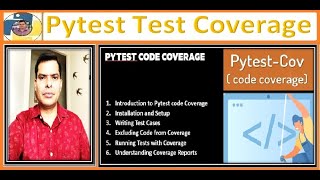
YouTube Excerpt: coverage - tools that measure code coverage watch code while a test suite is being run and keep track of which lines are hit and which are coverage - tools that measure code coverage watch code while a test suite is being run and keep track of which lines are hit and which are not. That measurement—called line coverage - tools that measure code coverage watch code while a test suite is being run and keep track of which lines are hit and which are not. That measurement—called line coverage—is calculated by dividing the total number of lines run divided by the total lines of code. Code coverage tools can also tell if all paths are taken in control statements, a measurement called branch coverage. Code coverage cannot tell if test suite is good; it can only tell how much of the application code is getting hit by test suite. But that in itself is useful information. For running coverage with pytest-cov, use: pytest --cov=cards test path to run with a simple report pytest --cov=cards --cov-report=term-missing test path to show which lines weren’t run pytest --cov=cards --cov-report=html test path to generate an HTML report For running coverage by itself, use: coverage run --source=cards -m pytest test path to run the test suite with coverage coverage report to show a simple terminal report coverage report --show-missing to show which lines weren’t run coverage html to generate an HTML report Even if you ran coverage from pytest --cov=..., you can run different reports or generate HTML using coverage report and coverage html. The --cov and --source flags tell coverage what code to watch, and can either be the name of an installed package, or the path to the application code. There’s a lot more to coverage.py and pytest-cov than we’ve covered here.coverage—is calculated by dividing the total number of lines run divided by the total lines of code. Code coverage tools can also tell if all paths are taken in control statements, a measurement called branch coverage. Code coverage cannot tell if test suite is good; it can only tell how much of the application code is getting hit by test suite. But that in itself is useful information. For running coverage with pytest-cov, use: pytest --cov=cards test path to run with a simple report pytest --cov=cards --cov-report=term-missing test path to show which lines weren’t run pytest --cov=cards --cov-report=html test path to generate an HTML report For running coverage by itself, use: coverage run --source=cards -m pytest test path to run the test suite with coverage coverage report to show a simple terminal report coverage report --show-missing to show which lines weren’t run coverage html to generate an HTML report Even if you ran coverage from pytest --cov=..., you can run different reports or generate HTML using coverage report and coverage html. The --cov and --source flags tell coverage what code to watch, and can either be the name of an installed package, or the path to the application code. There’s a lot more to coverage.py and pytest-cov than we’ve covered here.ot. That measurement—called line coverage—is calculated by dividing the total number of lines run divided by the total lines of code. Code coverage tools can also tell if all paths are taken in control statements, a measurement called branch coverage. Code coverage cannot tell if test suite is good; it can only tell how much of the application code is getting hit by test suite. But that in itself is useful information. For running coverage with pytest-cov, use: pytest --cov=cards test path to run with a simple report pytest --cov=cards --cov-report=term-missing test path to show which lines weren’t run pytest --cov=cards --cov-report=html test path to generate an HTML report For running coverage by itself, use: coverage run --source=cards -m pytest test path to run the test suite with coverage coverage report to show a simple terminal report coverage report --show-missing to show which lines weren’t run coverage html to generate an HTML report Even if you ran coverage from pytest --cov=..., you can run different reports or generate HTML using coverage report and coverage html. The --cov and --source flags tell coverage what code to watch, and can either be the name of an installed package, or the path to the application code. There’s a lot more to coverage.py and pytest-cov than we’ve covered here.
coverage - tools that measure code coverage watch code while a test suite is being run and keep track of which lines are hit and which are coverage...
Curious about 47. Pytest Code Coverage | Pytest-cov | Coverage On Tests| Html Report | Installation | Rajiv's Color? Explore detailed estimates, salary breakdowns, and financial insights that reveal the full picture of their profile.
color style guide
Source ID: wvasMou_Jy4
Category: color style guide
View Color Profile 🔓
Disclaimer: %niche_term% estimates are based on publicly available data, media reports, and financial analysis. Actual numbers may vary.
Sponsored
Sponsored
Sponsored